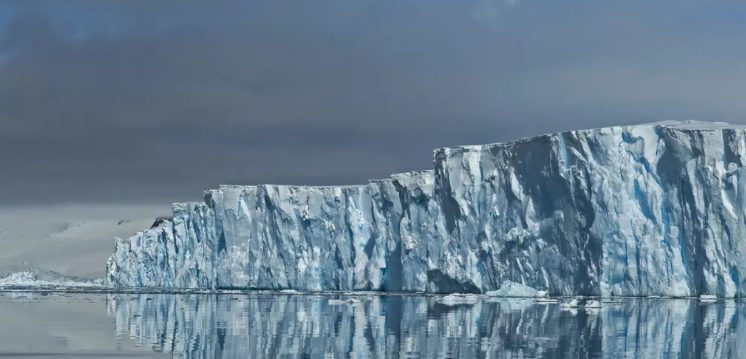
Scientists are currently evaluating a radical geoengineering proposal to construct a 50-mile-long underwater curtain to safeguard Antarctica’s Thwaites Glacier, widely referred to as the “Doomsday Glacier.” This massive ice formation, comparable in size to Florida, is currently at risk due to “Circumpolar Deep Water”—warm, saline ocean currents that flow along the seabed and erode the glacier’s submerged base. If the Thwaites Glacier were to collapse, it would contribute to a catastrophic two-foot rise in global sea levels, potentially destabilizing the entire West Antarctic Ice Sheet and threatening coastal populations worldwide.
The proposed intervention, spearheaded by glaciologist John Moore and a team of international researchers, involves installing a flexible, buoyant barrier anchored to the Amundsen Sea floor. Unlike a traditional solid dam, this curtain would utilize advanced geo-textiles to block the specific deep-sea channels that funnel warm water toward the glacier’s grounding line. By obstructing this thermal influx, the barrier would allow the ice shelf to cool and re-anchor itself to the seabed, effectively slowing the rate of melt.
However, the project faces monumental challenges, including an estimated price tag of $50 billion and the extreme logistical difficulty of conducting large-scale construction in the volatile Southern Ocean. While proponents argue that this “techno-fix” could buy humanity precious centuries to address the root causes of climate change, critics warn of potential ecological side effects and the risk of diverting focus from essential carbon emission reductions. Despite these concerns, the plan underscores a growing global shift toward high-stakes adaptation strategies as the impacts of polar melting become increasingly imminent.