
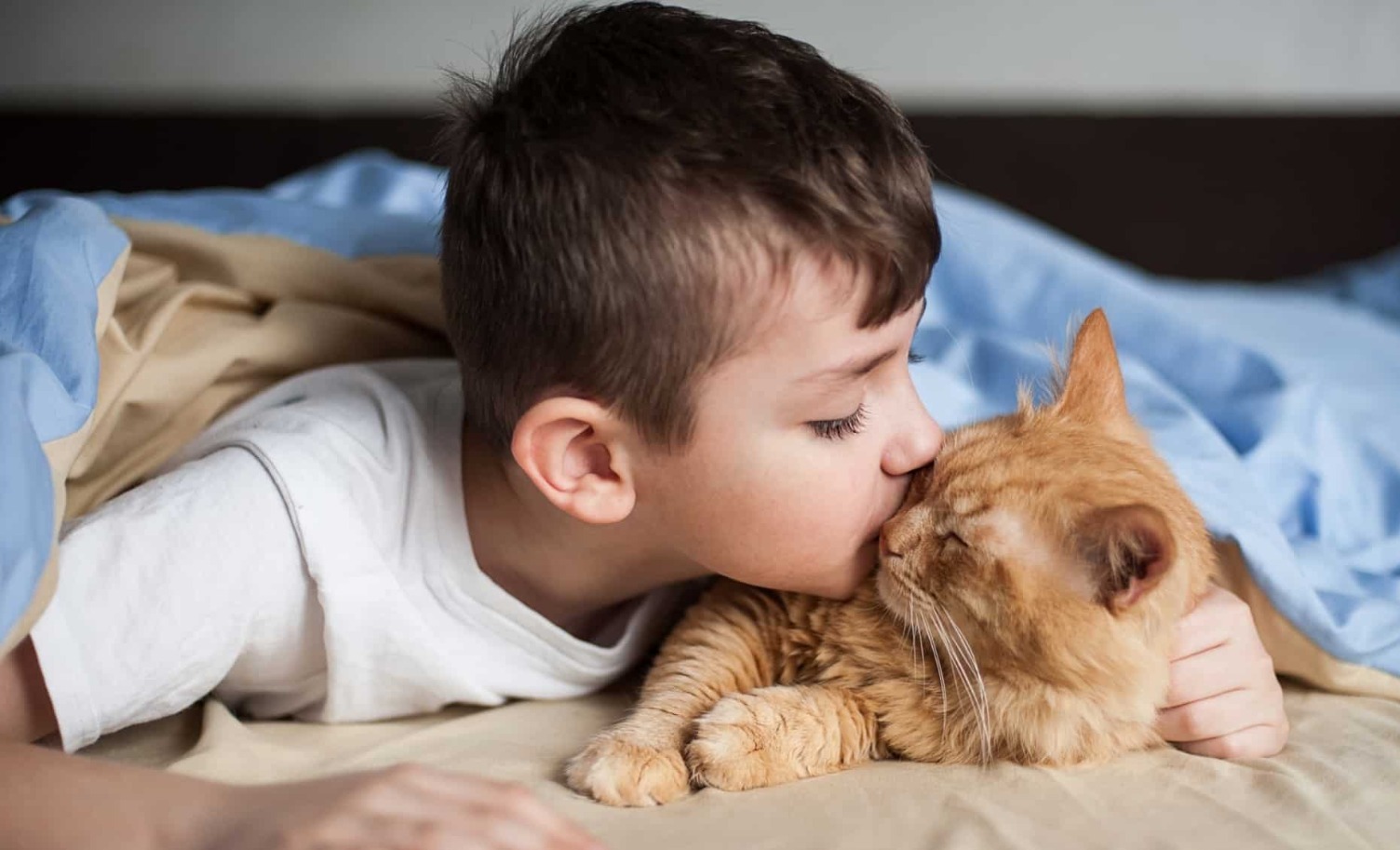
A new wave of scientific scrutiny is raising concerns for cat owners after a sweeping analysis suggested that growing up around cats may be linked to a higher risk of developing schizophrenia-related disorders. The review, conducted by researchers in Australia, examined 17 studies spanning four decades and more than 10 countries. Their findings indicate a significant association between cat exposure—particularly in childhood—and later diagnosis of psychotic illnesses, with the odds appearing to double compared with those who were not exposed to cats. The researchers highlight ‘Toxoplasma gondii’, a parasite commonly carried by cats, as a possible contributor. This parasite, which can be transmitted through cat feces, bites, contaminated soil, or undercooked meat, has the ability to reach the central nervous system and potentially influence brain chemistry in ways that could prompt personality changes or psychiatric symptoms.
Despite the biological plausibility, the team stresses that the findings do not prove that cats cause schizophrenia. Most of the studies reviewed were case-control and varied widely in quality, leaving significant room for uncertainty. Some even contradicted the overall trend; one study involving college students found no connection between cat ownership and schizotypal traits, while another suggested that reported cat bites were linked to psychotic-like symptoms but might involve pathogens unrelated to ‘T. gondii’. Research also hints that timing may matter, with one study showing stronger associations when cat exposure occurred between ages 9 and 12, though the idea of a “critical window” remains speculative.
Further uncertainty comes from research that shows no link at all. A major long-term study following nearly 5,000 individuals from birth to age 18 found no relationship between growing up with cats and later psychotic symptoms after accounting for socioeconomic and environmental factors. These conflicting results underscore the complexity of the issue and the need for more rigorous, large-scale studies before firm conclusions can be drawn.
For current or prospective cat owners, experts say there is no need to panic. The findings point only to a potential risk factor, not a proven cause. Simple hygiene practices—regularly cleaning litter boxes, washing hands after handling cat waste, and keeping pets healthy—remain sensible precautions. The research adds to a growing understanding that mental health is shaped by an interplay of genetics, environment, immune responses, and infectious agents. If future studies confirm a meaningful link between cat exposure and psychotic disorders, it could influence public-health guidance, particularly for families with young children or a history of mental illness. For now, however, the relationship remains an open question rather than a settled fact.