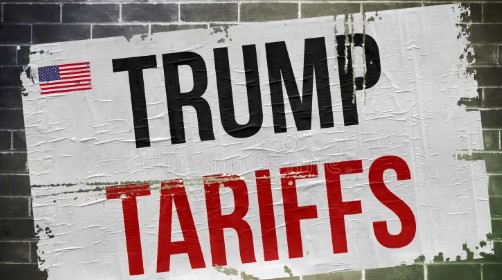
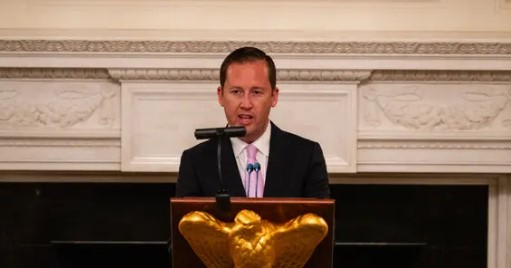
United States Ambassador to India, Sergio Gor, has signaled a transformative shift in India’s energy landscape, stating that New Delhi is in “active negotiations” to source oil from Venezuela as it moves to reduce its reliance on Russian crude. Speaking on the sidelines of the AI Impact Summit in New Delhi on February 20, 2026, Ambassador Gor revealed that the US Department of Energy is in high-level discussions with India’s Ministry of Energy to facilitate this transition. This move follows a strategic interim trade deal where the Trump administration significantly slashed tariffs on Indian goods from 50% to 18% in exchange for a commitment to diversify away from Russian energy. Gor emphasized that this is not a policy targeted specifically at India, but rather a broader American objective to stop the flow of funds to Russia’s war efforts. While the Indian Ministry of External Affairs maintained its stance that energy procurement is driven by “commercial viability” and national interest, Gor’s remarks suggest that an agreement for Venezuelan oil—potentially involving millions of barrels previously marketed under US-granted licenses—is imminent.
The geopolitical recalibration comes at a time when Indian refiners, including state-run giants like Indian Oil and private players like Reliance, have already begun placing orders for Venezuelan crude. This shift is part of a larger “Pax Silica” initiative aimed at securing high-tech supply chains and critical minerals, which India formally joined during the same summit. Gor’s assertions indicate that the era of deep-discounted Russian oil, which at one point accounted for nearly 40% of India’s imports, is being replaced by a more diversified portfolio favoring US and South American sources. As US Secretary of State Marco Rubio prepares for an upcoming visit to India, the focus remains on finalizing the broader trade agreement and operationalizing the shift toward Venezuelan fields. This transition not only aims to stabilize India’s energy security but also serves as a cornerstone of the revitalized strategic partnership between the two democracies, balancing economic growth with global diplomatic pressures.