New surcharge replaces earlier 18% rate as President defends trade deal with New Delhi
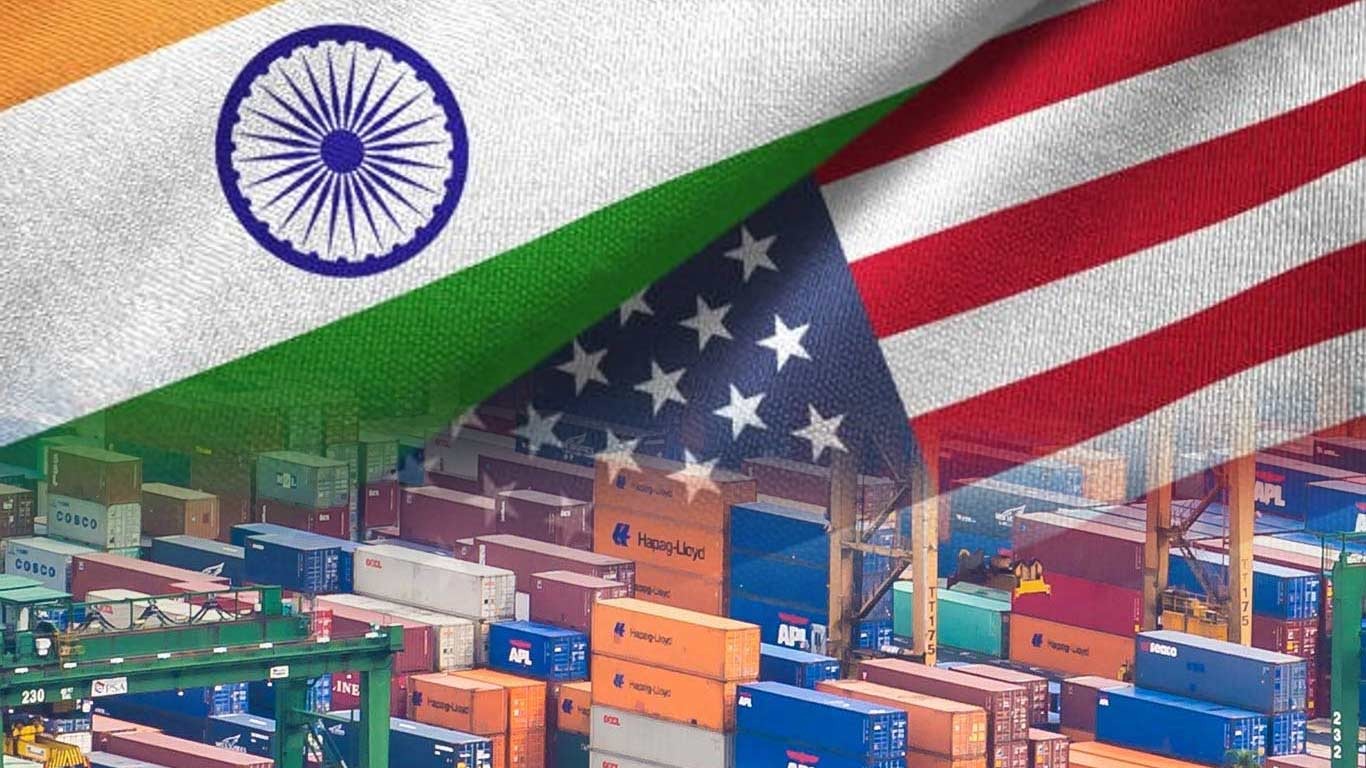
India will now face a reduced 10 percent US tariff after President Donald Trump announced a temporary global import surcharge, following a Supreme Court ruling that struck down his sweeping tariffs imposed under emergency powers.
In a proclamation titled “Imposing a Temporary Import Surcharge to Address Fundamental International Payments Problems,” Trump said he would impose a 10 percent ad valorem duty on most goods imported into the United States for a period of 150 days. The measure, effective February 24, replaces the earlier 18 percent reciprocal tariff rate that had applied to Indian goods under the interim trade framework between Washington and New Delhi.
The move comes after the Supreme Court of the United States ruled 6–3 that Trump had exceeded his authority in imposing broad tariffs under the International Emergency Economic Powers Act (IEEPA). The court held that while the president can regulate certain economic transactions during national emergencies, Congress retains primary authority over tariffs and trade taxes.
In response, the White House said Trump is invoking Section 122 of the Trade Act of 1974, which allows temporary import surcharges to address international payment imbalances. A fact sheet noted that certain goods—including critical minerals, pharmaceuticals, select agricultural products, energy supplies, and some vehicles—would be exempt from the new levy due to domestic economic considerations.
Earlier this month, the US and India announced a framework for an interim trade agreement. Under that deal, Washington had reduced reciprocal tariffs on Indian goods from 25 percent to 18 percent while removing punitive duties linked to India’s purchases of Russian oil. Trump had cited New Delhi’s commitment to scale back energy imports from Moscow and increase purchases of American energy products.
Despite the court’s ruling, Trump insisted that the US–India trade deal remain intact. “Nothing changes,” he said at a White House press conference, praising Prime Minister Narendra Modi and describing the agreement as “a fair deal.”
Trump also criticized the Supreme Court’s decision as “deeply disappointing” and said he would pursue tariffs through alternative legal routes. He maintained that tariffs remain a key tool of his economic and foreign policy strategy, claiming they have strengthened trade negotiations and even helped resolve international conflicts.
With the new 10 percent global surcharge set to take effect, Indian exports to the US will now be subject to the lower rate, marking a shift in trade dynamics while broader legal and political debates over presidential tariff powers continue.
India Faces Reduced 10% US Tariff After Trump Announces Temporary Global Levy